
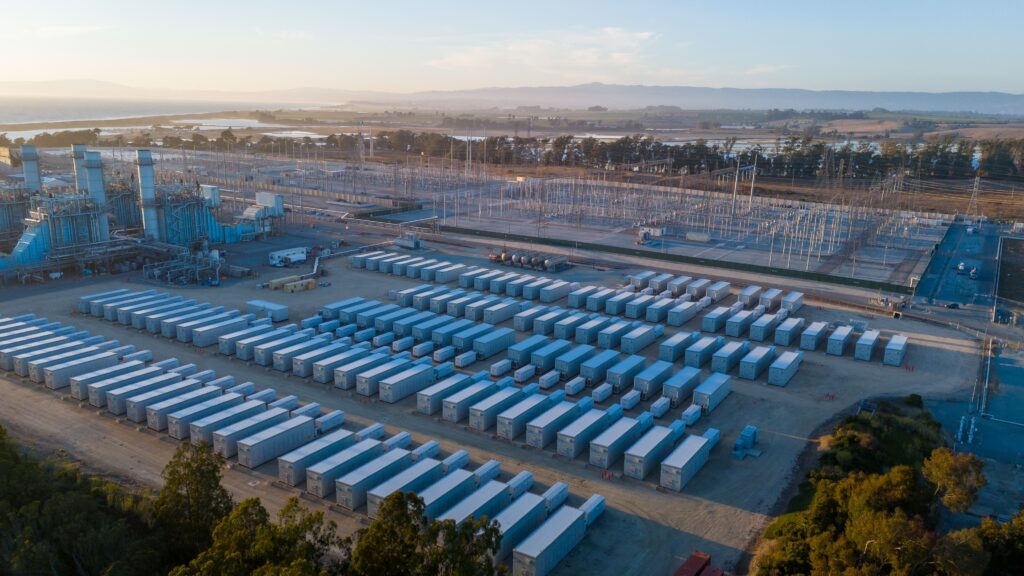
There is a narrative in the market that onsite generation is expensive, redundant, or somehow unnecessary if the utility ultimately shows up. That framing ignores what is actually happening in reality. Onsite generation is not a workaround. It is a structural response to supply constraints, contractual gaps, and speed-to-market challenges, in particular when utilities cannot give clear guidance.
The Equipment Constraint Is Real
There is a severe choke in power generation supply across major OEMs. Gas turbines, large reciprocating engines, switchgear, transformers, and other long-lead components are constrained. Utilities are paying the same prices for this equipment as independent power producers and developers.
The difference isn’t price. It’s pace. Utilities move at regulatory speed. Developers and hyperscale operators move at market speed.
Yes, utilities can spread capital costs across rate bases. But with the growing trend of bring-your-own-power strategies among large data center operators, those costs are being internalized either way. Whether a megawatt-hour is purchased from a regulated utility or produced onsite, the underlying capital intensity does not disappear.
The structural realities are straightforward:
- OEM supply is tight across platforms.
- Interconnection queues are lengthening.
- AI and electrification are accelerating load growth.
- The grid is not failing. It is simply not scaling fast enough.
Availability Is an Accountability Gap
Utilities provide reliable service in most regions. But they typically do not sign availability guarantees in the same way onsite generation providers are being asked to. Multiple feeds from diverse substations strengthen a reliability model. They fill out a RAM analysis nicely. Contractually, however, most utilities are not guaranteeing uptime in the way mission-critical operators require from onsite power partners.
When there is a gap between required uptime and what the grid can confidently deliver, the historical answer has been Tier 2 diesel. That solution still appears in many models. But it carries meaningful tradeoffs: higher lifecycle emissions, fuel logistics and storage risk, growing regulatory scrutiny, ESG pressure from customers and investors.
Modern onsite natural gas generation is structured differently. Uptime is table stakes. Performance is written into agreements. Accountability is explicit. At the end of the day, this is a math and money problem. But it is also about who is actually solving the reliability requirement rather than assuming it.
Speed to Energization Is a Competitive Variable
For large data center developers, speed is existential. Extended OEM lead times are real. Even so, onsite generation is often still faster than waiting for full utility buildout. Transmission upgrades and substation expansions frequently extend beyond the commercial timelines high performance computing facilities require.
When you quantify the opportunity cost of waiting, the premium for onsite deployment looks different. In some markets, dramatically different. The economics are situational. But in many cases, the realized cost of onsite power approaches parity with utility service once you factor in up front capital contribution for infrastructure, demand charges, interconnection delays, and lost revenue from delayed energization.
Natural gas remains central to this equation. The U.S. Energy Information Administration’s 2025 outlook shows natural gas continuing to supply the largest share of U.S. electricity generation because it is dispatchable and supported by domestic abundance. Dispatchability matters in a grid increasingly shaped by intermittent renewables and weather volatility.
Diesel still has a reputation advantage on start time. But that gap is narrowing. With sufficient UPS and battery energy storage duration, gas generation can ramp without compromising mission critical loads. Meanwhile, the lifecycle emissions profile of diesel, evaluated holistically, is materially worse than modern natural gas equipment.
The 2025 Uptime Institute Global Data Center Survey highlights how operators are prioritizing lower-emission backup and prime power solutions as regulatory and stakeholder expectations tighten.
Onsite Power Does Not Become Stranded
A persistent misconception is that onsite generation becomes obsolete once the utility energizes the site. In reality, it often becomes a strategic asset. In many markets, operators can leverage onsite generation to participate in: demand response programs, capacity markets, interruptible tariffs, economic dispatch opportunities and peak shaving strategies. The same utilities that shape load across their systems rely on dispatchable capacity to manage peaks and volatility. Large load customers can use their onsite assets to participate in those mechanisms rather than remain passive recipients of grid conditions.
Recent FERC resource adequacy discussions in 2025 have underscored the growing value of flexible, dispatchable capacity in a system with rising renewable penetration. Distributed generation is part of that solution set.
A Clearer Framing
This is not anti-utility. Utilities are essential and will continue to anchor the bulk system, but the structural realities are clear:
- Equipment supply is constrained.
- Interconnection queues are long.
- Load growth is accelerating.
Onsite generation addresses these realities directly. It provides speed, contractual accountability, and long-term optionality.
The conversation should not be whether onsite generation is relevant. It clearly is. The more important discussion is how to structure it intelligently: technology agnostic, emissions aware, financially disciplined, and integrated with long-term utility strategy rather than positioned against it. Large energy users are no longer debating whether to consider onsite power. They are asking how quickly they can deploy it without compromising reliability, compliance, or long-term economics.
That shift isn’t ideological. It’s structural, and it’s not reversing.
